FREE Download: St Swithuns 2026 (11+) 11 Plus Exam - 2026 Key Information

Expert Reviewed

Expert Reviewed

22nd July 2026
6 mins read
Share
WhatsApp
11+ English Independent Practice Papers Pack 1 Image
11+ Maths Independent Practice Papers Pack 1 Image
11+ Maths ISEB Practice Papers Pack 1 Image
11+ Verbal Reasoning Practice Papers Image

Introduction to St Swithuns

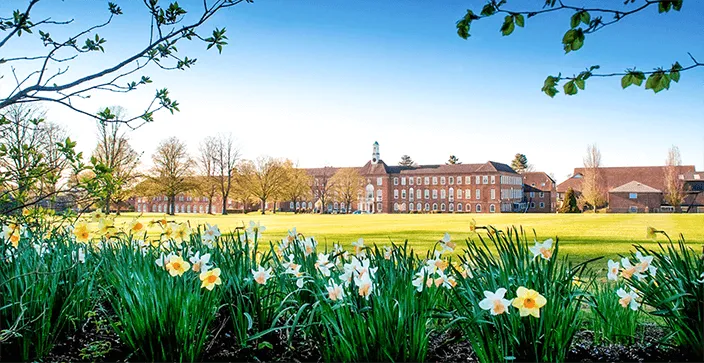
St Swithuns is a selective independent boarding and day school for girls in Winchester, Hampshire. It provides excellent Key Stage 3 (KS3) and sixth form (6th Form) education for ages 11-18. Recognised among the best independent schools in UK, its recent ISI rating highlights exemplary pupil behaviour.

Securing a place at St Swithuns involves a competitive 11+ Exam admissions process. This typically includes a Stage One Test (ISEB Common Pre-test) and a Stage Two Test with school-specific papers.

St Swithuns uniquely identifies and nurtures individual character strengths, fostering independently minded young women. Its distinctive "Stretch" academic programme encourages exploration in areas like astronomy and experimental art. Complementing this, the school offers an exceptional range of co-curricular activities, including polo, scuba diving, karate, and fencing, ensuring a truly enriching education.

In this guide, I apply 18+ years of education consultancy to help parents navigate St Swithuns 2026 11 plus (11+) Exam admissions with confidence.

Comma

Caritas, Humilitas, Sinceritas (Kindness, Humility, Sincerity)

- St Swithun's School Motto

Key Details

School Details

  • Type of School: Independent
  • Boarding Type: Day and Boarding (Full, Weekly, Flexi)
  • Gender Type: Girls (co-ed preschool)
  • Religion: Church of England
  • Age Range: 3-18 (girls)
  • Number of Pupils: Approximately 720
  • GCSE Results (2025): 92% of students recieved grades 7 and above.
  • A-Level Results (2025): 92% of students recieved grades A* to B


Admissions Details

  • Admissions Policy: Selective
  • Number of Places in Year 7 (PAN): Approximately 60-75
  • Exam Board: ISEB Common Pre-test, plus school's own English and Mathematics papers.
  • Number of Stages: Two stages
  • School Catchment Area: No
  • Sibling Policy: No
  • Pass Mark guidance: Aim for 90%

This information has been sourced from Get Information about Schools and St Swithuns Official Website.

Key Dates for (11+) 11 plus Exam - St Swithuns

Navigating the admissions process for a prestigious independent school like St Swithun's can feel overwhelming, but understanding the key dates is crucial for a smooth application. As an experienced UK Education Consultant, I have compiled the most important St Swithuns 11 plus exam dates and other significant milestones to help parents plan effectively.

From the St Swithuns open day to the crucial 11+ Exam date, being well-informed ensures you don't miss any vital steps. These 11 plus exam dates are based on the latest information available, providing a clear pathway for your daughter's entry into Year 7.

Here is a concise overview of the essential dates for St Swithun's 11+ entry:

Date

Event

Saturday, 20th June 2026

Open Day (Whole School)

30 September (of Year 6)

Application Deadline

Early to Mid-November

11+ Exam Stage 1 - ISEB

​Late November

​St Swithun’s Assessment Day

Mid-December

Offer Letters Posted

Summary Icon

Our Practical Tip for Parents

Register early and attend an open day to fully experience St Swithun's. Familiarise your daughter with the ISEB Pre-test format well in advance to build confidence.

St Swithuns Application Process for 11+ Exam Entry

For September 2026 entry to St Swithuns, parents should begin navigating the 11 plus exam process in 2025. As stated in the St Swithuns Admissions Policy, the comprehensive admissions pathway includes written assessments, online cognitive adaptive tests, a confidential headteacher reference, and an interview. St Swithuns is one of the highly regarded independent schools in Hampshire.


How to register for 11+ exam

To understand how to register for 11+ exam entry at St Swithuns, follow these key steps:

  • Register your daughter directly with St Swithuns, usually by summer of Year 5, which involves a non-refundable fee.
  • Complete the 11 plus exam registration for the ISEB Common Pre-test via the official ISEB website.
  • Ensure your daughter's current school submits a confidential headteacher reference.
  • Prepare for the Stage One Test (ISEB Pre-test) and Stage Two Test (school's own English and Maths papers), followed by an interview.
Summary Icon

Our Practical Tip for Parents

Our Practical Tip for Parents
Early preparation is crucial. Familiarise your daughter with the format of both the Stage One and Stage Two tests to build confidence for her 11+ Exam.

St Swithuns Catchment Area

St Swithuns, a leading independent school in Hampshire, does not operate a formal catchment area for admissions. This means that prospective pupils are welcome to apply from any location, both within the UK and internationally.

Admission to St Swithuns is highly selective and based on a comprehensive assessment process. This includes evaluating a candidate's academic potential through entrance examinations, online cognitive tests, school reports, and interviews.

The school seeks to identify girls who will thrive within its academic and pastoral environment, aligning with its values of courage, compassion, commitment, and quiet self-confidence.

For Year 7 applicants, this approach ensures that places are offered based on individual merit and suitability for the school, rather than geographical proximity to the Winchester campus.

Which are Best Alternatives to St Swithuns?

​Applying for independent school places, particularly at highly sought-after institutions like St Swithun's, often involves significant competition and can be a demanding process. With oversubscription a common reality, it is a profoundly wise strategy for parents to identify strong alternative schools early on.

This proactive approach not only provides invaluable peace of mind but also ensures your daughter has excellent, well-researched options should her first choice not materialise. Considering a balanced mix of independent schools, perhaps varying slightly in location, size, or specific academic focus, can significantly broaden opportunities without compromising on the quality of education or pastoral care you seek.

This backup plan should account for practical decision points such as daily commute, the specific exam board and stage style, and the overall oversubscription pressure, ensuring a robust strategy for your daughter's future.

School Name

School Type

Establishment Year

Gender

Oversubscription Criteria

Exam Board (Stage 1)

Stage 1 Format

Stage 2 Format

GCSE/A-Level Snapshot

St Swithun's School

Independent Day & Boarding

1884

Girls

Academic performance (exams, interview, report). No catchment.

ISEB Common Pre-test

Online, adaptive (Maths, English, VR, NVR)

School's own English & Maths written papers, interview

80% GCSE 9-7

Godolphin School

Independent Day & Boarding

1726

Girls

Entrance exams, interview, school report.

School's own / ISEB

School's own papers (Eng, Maths, VR) or ISEB

Interview

60% GCSE 9-7; 60% A-Level A*-B

Portsmouth High School GDST

Independent Day

1882

Girls

Entrance exams, interview, school report.

School's own

School's own papers (Eng, Maths, VR)

Interview

65% GCSE 9-7; 70% A-Level A*-B

Godolphin School in Salisbury, an established independent day and boarding school for girls, offers an academically rigorous and nurturing environment akin to St Swithun's. With a strong focus on holistic development and excellent academic outcomes, it presents a compelling alternative, especially for families considering boarding or those within a reasonable commute to Salisbury. Its admissions process, typically involving school's own papers or ISEB, provides a distinct pathway.

Similarly, Portsmouth High School GDST, a leading Girls' Day School Trust school, provides an outstanding all-girls day education. It shares St Swithun's commitment to empowering young women through a broad curriculum and extensive co-curricular opportunities, making it an accessible and high-achieving option for families across Hampshire. Their admissions typically involve school's own English, Maths, and Verbal Reasoning papers.

Both schools maintain high academic standards, offer a broad co-curricular programme, and focus on holistic development, aligning well with the values and outcomes typically sought by St Swithun's applicants. Their distinct admissions processes and school cultures offer valuable diversification in your application strategy, allowing you to find the best 'fit' for your daughter's unique strengths and personality and ensuring a strong educational journey.

Summary Icon

Our Practical Tip for Parents

When exploring alternatives, consider practicalities like commute, school ethos, and exam board alignment. Visiting open days and speaking with current parents can provide invaluable insights beyond published statistics.

How Many Girls Apply for Year 7 at St Swithun's?

​St Swithun's School does not publicly disclose the exact number of applications received for Year 7 (11+) entry each year. However, as a highly regarded independent day and boarding school for girls, competition for places is generally strong.

The admissions process is thorough, involving the ISEB Common Pre-test, the school's own English and Mathematics papers, academic reports, and a confidential reference from the candidate's current school.

This rigorous selection process ensures that successful applicants are a good academic and pastoral fit for the school's nurturing and high-achieving environment.

St Swithuns (11+) 11 Plus Test Format

As stated in the St Swithuns Admissions Policy, the admissions process for Year 7 entry includes both online cognitive adaptive tests and written assessments in core subjects.

The St Swithuns 11 Plus Test for Year 7 entry is a two-stage process designed to assess a candidate's academic potential and attainment. This comprehensive approach ensures a thorough evaluation of each applicant.


Stage One Test: ISEB Common Pre-test

The first stage involves the online ISEB Common Pre-test, which is typically taken by mid-November in Year 6. This adaptive test assesses a range of cognitive abilities and academic skills. The subjects covered include:

  • 11+ English: Evaluates reading comprehension, grammar, spelling, and vocabulary.
  • 11+ Mathematics: Assesses mathematical ability, problem-solving, and arithmetic skills, covering topics such as number, measurement, and geometry.
  • Verbal Reasoning: Tests thinking and problem-solving with words.
  • Non-Verbal Reasoning: Measures thinking with shapes, diagrams, and pictures.


Stage Two Test: St Swithuns' Own Written Papers

Following the online pre-test, candidates attend an assessment day at St Swithuns in November of Year 6. During this day, they sit the school's own written entry papers:

  • 11+ English: This paper focuses on both writing and comprehension skills, including elements of spelling, grammar, and inference.
  • 11+ Mathematics: This exam tests pupils' problem-solving and arithmetic skills, with questions on number, measurement, geometry, algebra, and statistics.

For UK-based students whose first language is not English, an EAL (English as an Additional Language) paper and a meeting with the Head of EAL may also be required.

St Swithuns 11+ Test Format Overview

Assessment Stage

Subjects Assessed

Stage One: ISEB Common Pre-test

English, Mathematics, Verbal Reasoning, Non-Verbal Reasoning

Stage Two: St Swithuns' Own Papers

11+ English, 11+ Mathematics

Interview Guidance

Successful applicants, particularly those considered for academic scholarships, may be invited for an interview in January. This provides an opportunity for the school to learn more about your daughter's personality, interests, and suitability for the St Swithuns community.

Preparing for 11+ interview questions can help build confidence.


Parent’s Top 2 Queries

  • How long is the 11+ Exam for St Swithuns?
    The ISEB Common Pre-test, which forms the first stage of the assessment, typically takes 2 hours and 15 minutes to complete. The school's own 11+ English and 11+ Mathematics papers are taken on a separate assessment day in November, with specific timings for these individual papers not publicly disclosed.
  • What exam board does St Swithuns follow?
    St Swithuns utilises the ISEB Common Pre-test for the initial online assessment. The school then administers its own written papers for English and Mathematics.​
Summary Icon

Our Practical Tip for parents

To excel in the St Swithuns 11 Plus Test, ensure your daughter is comfortable with both online adaptive testing and traditional written exams. Regular practice of 11 plus exam questions under timed conditions will build confidence and improve time management skills for both stages of the assessment.

St Swithuns 11 Plus Pass Mark

St Swithuns School does not publish a fixed 11 plus pass mark. Admission is competitive, based on overall performance. Children aiming 95%+ in PiAcademy’s 11+ Practice Papers are better positioned.

To maximise their chances, prospective students should aim to achieve the highest possible scores across all tested subjects for the 11 plus, including the ISEB Common Pre-test and St Swithuns' own English and Mathematics papers.

What are the topics for 11+ Exam Stage 1 of St Swithuns?

St Swithun's School employs a two-stage assessment process for Year 7 (11+) entry, designed to identify academically strong candidates with potential.

The first stage involves an online adaptive test, followed by the school's own written papers for the second stage. This comprehensive approach ensures a thorough evaluation of your daughter's abilities across core subjects and cognitive skills.


Stage One: ISEB Common Pre-test Analysis

The ISEB Common Pre-test is an online, adaptive assessment that covers four key areas. It is designed to assess a candidate's academic potential and attainment in a standardised format.

While specific topic weightings are not publicly disclosed, the test typically covers a broad range of curriculum-aligned content.


ISEB English

This section evaluates reading comprehension, vocabulary, and grammar. Expect questions on cloze passages, shuffled sentences, and various Spelling, Punctuation, and Grammar (SPaG) exercises. Strong vocabulary and an understanding of sentence structure are crucial.

Subject

Topic

Estimated Share

English

Reading Comprehension

Significant

English

Vocabulary

Significant

English

Spelling, Punctuation & Grammar (SPaG)

Significant

English

Sentence Structure & Manipulation

Moderate


ISEB Mathematics

The Mathematics section assesses numeracy, problem-solving, and logical reasoning skills, aligned with the National Curriculum up to the end of Year 5 and beginning of Year 6.

Questions cover core arithmetic, fractions, decimals, percentages, measurement, geometry, and data handling.

Subject

Topic

Estimated Share

Mathematics

Number & Place Value

Significant

Mathematics

Addition, Subtraction, Multiplication, Division

Significant

Mathematics

Fractions, Decimals, Percentages

Significant

Mathematics

Measurement (Length, Mass, Capacity, Time)

Moderate

Mathematics

Geometry (Properties of Shapes, Position & Direction)

Moderate

Mathematics

Statistics (Data Handling)

Moderate

Mathematics

Problem Solving

Integrated


ISEB Verbal Reasoning

This component tests a child's ability to think and problem-solve with words, often involving logical deduction, code-breaking, and understanding relationships between words.

Common question types include synonyms, antonyms, odd one out, letter sequences, and hidden words.

Subject

Topic

Estimated Share

Verbal Reasoning

Vocabulary & Word Relationships

Significant

Verbal Reasoning

Code Breaking

Moderate

Verbal Reasoning

Logical Deduction

Moderate

Verbal Reasoning

Letter & Number Sequences

Moderate


ISEB Non-Verbal Reasoning

Non-Verbal Reasoning assesses problem-solving using shapes, patterns, and diagrams, without relying on language skills. This section evaluates spatial awareness, logical thinking, and the ability to identify patterns and anomalies.

Question types often include identifying the odd one out, completing sequences, and finding analogies.

Subject

Topic

Estimated Share

Non-Verbal Reasoning

Shape & Pattern Recognition

Significant

Non-Verbal Reasoning

Spatial Reasoning

Significant

Non-Verbal Reasoning

Analogies & Transformations

Moderate

Non-Verbal Reasoning

Odd One Out

Moderate


Best Resources for St Swithun's 11+ Exam Preparation

Effective preparation for St Swithun's 11+ exam involves targeted practice for both the ISEB Common Pre-test and the school's own written papers.

PiAcademy offers a comprehensive range of resources tailored to these requirements. For a wider selection of practice materials, explore our 11 plus exam papers.


Stage One: ISEB Common Pre-test Resources

For the online adaptive ISEB Pre-test, it is crucial to practice with resources that mimic the format and question styles of the actual exam. PiAcademy's ISEB-specific practice tests are ideal for building familiarity and confidence.

Subject

Recommended Resource

Exam Board

Question Format

Mathematics

11+ Maths ISEB Practice Papers Pack

ISEB

Multiple Choice

English

11+ English Papers with Detailed Answers

ISEB

Multiple Choice

Verbal Reasoning

11+ Verbal Reasoning Practice Papers

ISEB

Multiple Choice

Non-Verbal Reasoning

11+ Non-Verbal Reasoning Practice Papers

ISEB

Multiple Choice

All Subjects

11+ ISEB Pre-Test Mock Pack

ISEB

Mixed Multiple Choice

What are the topics for 11+ Exam Stage 2 of St Swithuns?

Stage Two: St Swithun's Own Written Papers Analysis

Following successful performance in the ISEB Pre-test, candidates are invited to sit St Swithun's own written papers in English and Mathematics. These papers allow the school to assess a deeper understanding and application of skills in a traditional format.


St Swithun's English Paper

This paper focuses on both writing and comprehension skills. Expect a reading comprehension passage followed by questions testing inference, literal understanding, and vocabulary.

The writing task typically requires creative writing or a discursive essay, assessing spelling, grammar, punctuation, and the ability to structure a coherent narrative or argument.

Subject

Topic

Estimated Share

English

Reading Comprehension

Significant

English

Creative Writing / Discursive Writing

Significant

English

Spelling, Punctuation & Grammar (SPaG)

Integrated

English

Vocabulary & Inference

Integrated


St Swithun's Mathematics Paper

The school's Mathematics paper tests problem-solving and arithmetic skills.

It includes questions on number, measurement, geometry, algebra, and statistics, often requiring multi-step solutions and a clear presentation of working. A strong grasp of Year 6 curriculum topics is essential.

Subject

Topic

Estimated Share

Mathematics

Number Operations & Properties

Significant

Mathematics

Fractions, Decimals, Percentages

Significant

Mathematics

Measurement & Units

Moderate

Mathematics

Geometry (Area, Perimeter, Volume, Angles)

Moderate

Mathematics

Algebra (Simple Equations, Patterns)

Moderate

Mathematics

Statistics (Charts, Graphs, Averages)

Moderate

Mathematics

Problem Solving

Integrated


Stage Two: St Swithun's Own Papers Resources

For the written English and Mathematics papers, practice with independent school-style questions is highly beneficial. These resources help develop written communication, problem-solving presentation, and deeper analytical skills.

Subject

Recommended Resource

Exam Board

Question Format

English

11+ English Independent School Practice Papers Pack

Independent School

Written, Comprehension, Creative Writing

English

English Creative Writings with Detailed Answers

Independent School

Written

Mathematics

11+ Maths Independent School Practice Papers Pack

Independent School

Written, Problem Solving

Mathematics

11+ Maths Topic-wise Questions

Independent School

Written, Problem Solving

Best 11 Plus Mock Test for St Swithuns

Preparing for the St Swithuns 11 Plus entrance exam requires strategic practice, and a high-quality 11 plus mock test Hampshire is invaluable. For this competitive independent school, UK-based candidates undertake the ISEB Common Pre-test, alongside St Swithuns' own English and Mathematics papers.

Overseas applicants are required to sit the UKiSET. Mock tests are crucial for familiarising your daughter with the exam format, honing time management skills, and pinpointing areas for improvement. Regular practice builds confidence and significantly reduces exam day anxiety, giving her the best possible preparation for St Swithuns.

For a comprehensive assessment of your child's current standing, consider our free 11 Plus diagnostic assessment.

Exam Board
Suggested Mock Exams Names
ISEB

St Swithuns Half - Term Dates

  • Autumn Half Term 1: Monday, 1st September 2026 – Friday, 17th October 2026
  • Autumn Half Term 2: Monday, 3rd November 2026 – Thursday, 11th December 2026
  • Spring Half Term 1: Tuesday, 6th January 2027 – Thursday, 12th February 2027
  • Spring Half Term 2: Monday, 23rd February 2027 – Friday, 27th March 2027
  • Summer Half Term 1: Monday, 20th April 2027 – Friday, 22nd May 2027
  • Summer Half Term 2: Monday, 1st June 2027 – Thursday, 9th July 2027

Related References for Parents

Navigating independent school admissions requires understanding direct application processes, specific registration deadlines, and bespoke entrance assessments.

To support your child's journey, review these essential official inspection reports, admissions policies, and testing guidelines for St Swithuns.

What is the St Swithuns fees?

St Swithuns, a leading independent girls' school in Hampshire, offers a world-class education. The fees for Senior and Sixth form is £19,272.08 per term (boarders) and £11,403.37 per term (day girls).

The school is committed to accessibility and offers various forms of financial assistance. Academic and Music Scholarships are available at 11+, recognising exceptional talent. Additionally, means-tested bursaries, which can cover up to 100% of tuition fees, are offered to support eligible families.

For those interested in understanding the broader landscape of independent education costs, explore our guide on the most expensive Private Schools UK.

Author(s)

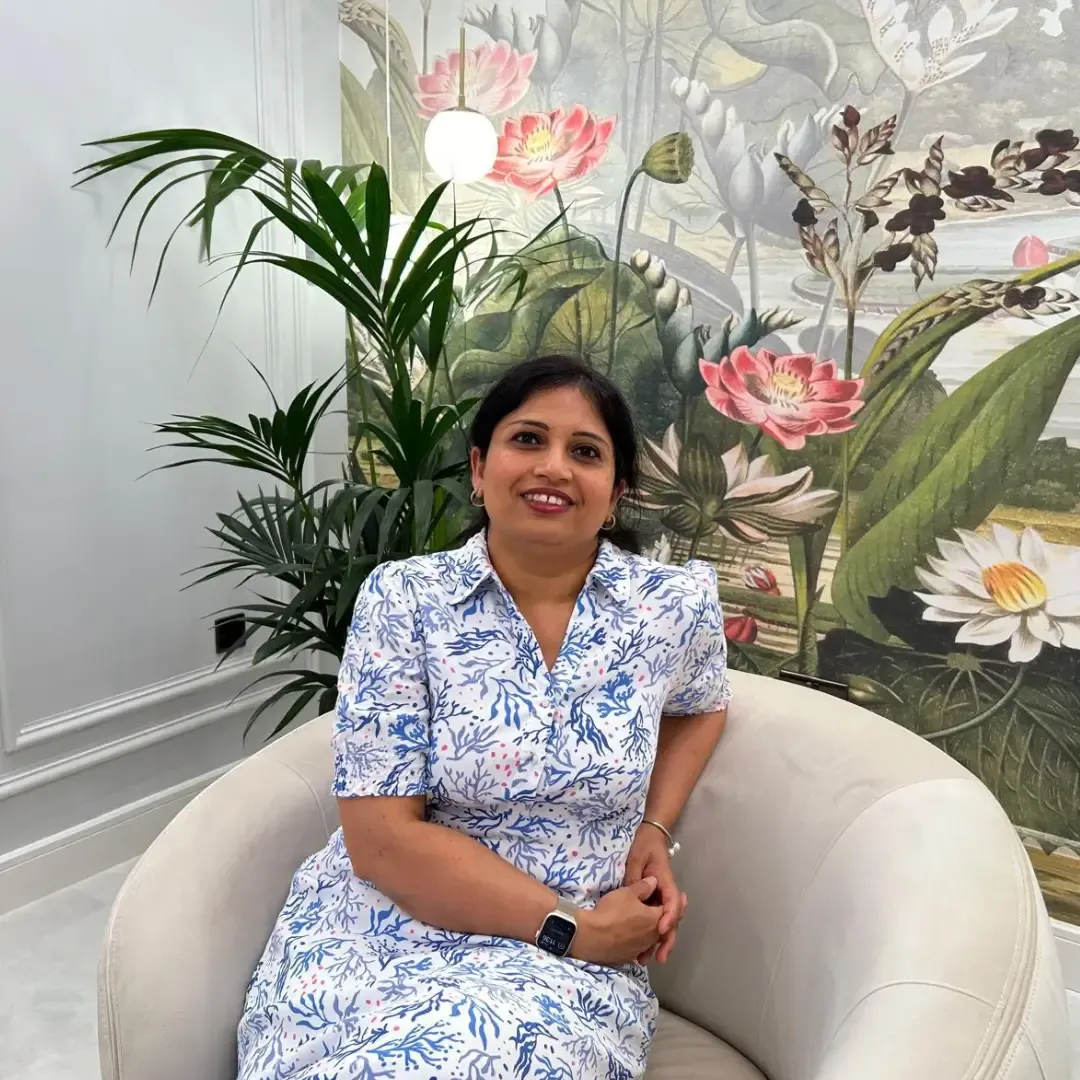
Preeti Baviskar is an education specialist and the founder of PiAcademy, with 18 years of experience guiding students and parents through the 11+ exam journey. Preeti has built the UK’s largest repository of exam material for the 11+, GCSE and National Curriculum, featuring 50,000+ expertly crafted questions.

Frequently Asked Questions

Review this school


No reviews yet. Be the first to review!


Subscribe to Newsletter
WhatsApp Chat
WhatsApp Chat
PiAcademy Logo
More than 20,000 Registered Members!
PiAcademy is the #1 site on the internet to prepare for the 7+, 8+, 9+, 10+, 11+, 13+, Pre-Tests, GCSEs, and other competitive exams in the UK. Exam Past Papers, practice papers with detailed answers. Used by parents tutors & schools all over the UK.

Our Partners

Tutor_ImageTatler_Image

Partner With Us

+44 (0) 7586 485671

© 2014 - 2026, PIACADEMY LTD - All Rights Reserved